
You want a bedroom that nudges you toward sleep the moment you step in. Start with a muted color base, layer soft textiles, and simplify surfaces so light and sound stay calm. Practical choices — blackout curtains, breathable linens, low-profile furniture, subtle lighting — make an immediate difference. Keep a few natural accents and hidden storage to maintain the quiet vibe, and I’ll walk you through 25 specific, neutral ideas to help you get there.
Choose a Soft Neutral Paint Palette
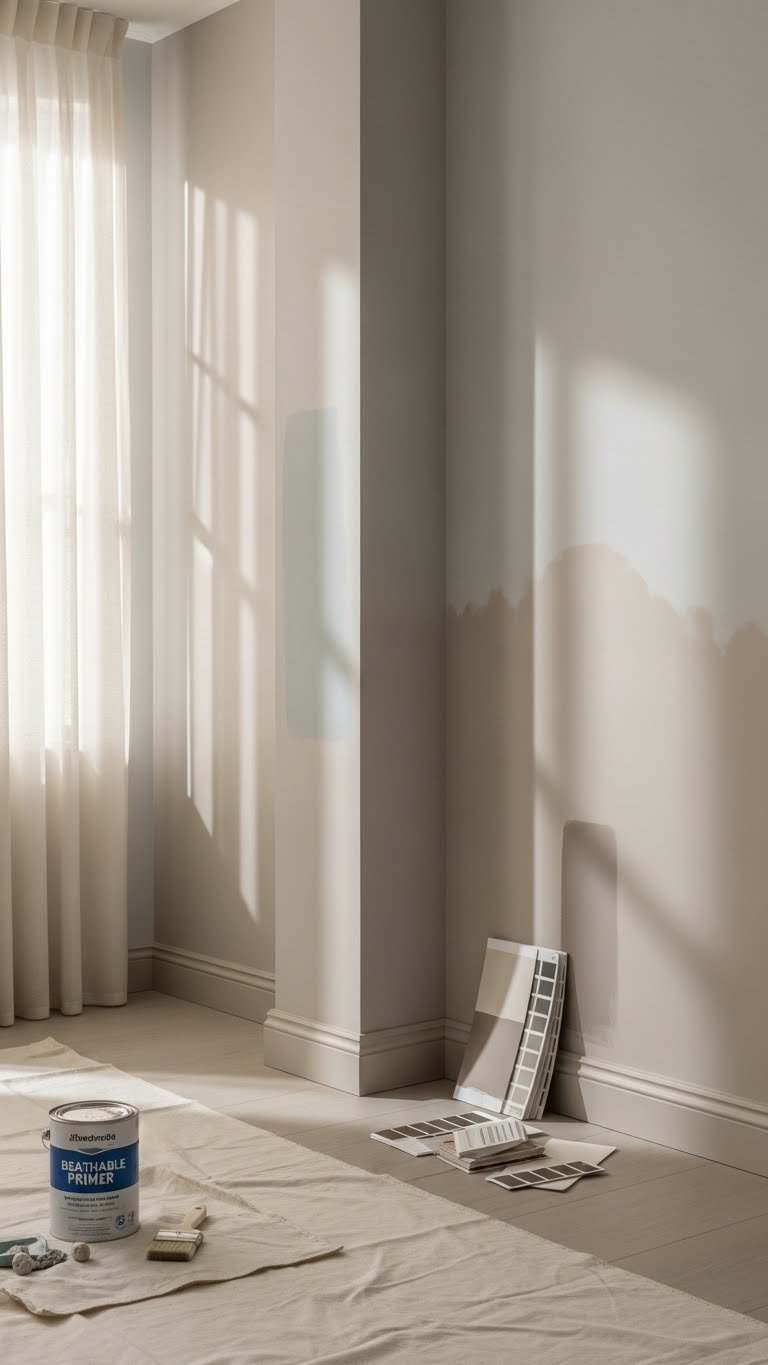
Start by settling on a soft neutral paint palette that sets a calm foundation for the whole room. You’ll pick shades with a calming undertone, do undertone testing in different light, and choose a breathable primer to protect walls. Keep walls muted so you can use accented trim sparingly for contrast. This gives you a simple, freeing backdrop that supports restful sleep.
Add Pastel Accent Pillows

With your walls set in soft neutrals, bring in pastel accent pillows to introduce gentle color and layered texture without overwhelming the calm. You’ll mix pastel texture—velvet, linen, knit—to add depth while keeping sleep-friendly tones. Swap pillows for seasonal swapping: lighter hues and breathable fabrics in summer, warmer textures in cooler months, so your bed stays inviting and flexible.
Use Layered Bedding in Muted Tones

When you layer bedding in muted tones, you create a calm, cohesive foundation that feels both intentional and inviting.
Choose monochrome bedding in soft grays, beiges, or off-whites, then add tactile contrast with a knit throw or linen shams.
You’ll sleep better in a restrained palette that still offers depth and freedom to mix textures without visual clutter.
Incorporate Natural Wood Furniture

Bring in natural wood furniture to ground the room and add warmth without overwhelming your neutral palette. Choose pieces that highlight organic grain and simple lines so the space feels calm and open. Prefer sustainable sourcing to align with your values and keep choices purposeful.
Let a streamlined wooden bed, nightstand, or bench anchor the room while preserving airy, uncluttered freedom.
Declutter With Built-In Storage

Clear built-in storage keeps your bedroom feeling open and effortless, so you can hide clutter without adding visual noise. Use a built in bench with lift storage for linens and a few seasonal items.
Carve hidden niches into walls to stash books, chargers, or small decor. You’ll enjoy a calm, liberated space that supports rest and simple routines.
Opt for Minimalist Nightstands

Strip down your bedside setup to essentials — a slim nightstand with a single drawer or open shelf keeps things tidy without crowding the room.
Choose compact surfaces that hold a lamp, book, and glass, letting you move freely. Opt for slim drawers to hide clutter and maintain calm.
Keep finishes neutral and lines simple so the space feels open and intentional.
Place a Low-Profile Platform Bed

A low-profile platform bed anchors the room without overwhelming it, keeping sightlines low and the space feeling larger and more grounded. You’ll enjoy a simple frame that supports restful sleep, maximizes platform ventilation for mattress longevity, and pairs well with low profile lighting to preserve a calm mood. Choose clean lines and light neutrals so you can move freely and sleep better.
Introduce a Subtle Area Rug

Bring in a subtle area rug to anchor your bed and add a soft layer underfoot without stealing the room’s calm. Choose one in natural textures and muted patterns to keep the palette serene while giving tactile interest.
You’ll create a defined sleeping zone that feels liberating and grounded, making it easier to relax and move freely through the space each morning.
Select Matte Finishes Over Glossy Ones

After grounding your bed with a soft rug, consider swapping glossy surfaces for matte finishes to keep the room feeling calm and collected.
Choose matte cabinetry to reduce glare and create a grounded backdrop, and pair it with satin textiles for subtle sheen and softness. You’ll simplify visual noise, foster restful focus, and keep the space open, uncluttered, and freeing.
Use Warm, Dimmable Bedside Lighting

Often you’ll find that warm, dimmable bedside lighting makes the room feel instantly more inviting and easier to wind down in. You’ll want warm bulbs paired with bedside dimmers so you control intensity without harsh glare. Choose simple fixtures and flexible switches, and set low, amber-toned levels for reading or resting. This gives you a calm, adaptable atmosphere that supports restful sleep and personal freedom.
Add a Soft Throw Blanket in Pale Hues

Toss a pale, soft throw across the foot of your bed to introduce texture and a gentle layer of warmth without changing the room’s neutral palette.
Choose linen textures or a lightweight knit in soft beige or cool gray, and pick muted patterns for subtle interest. You’ll cozy up without clutter, keeping the space open, calm, and easy to adapt as your style or needs change.
Arrange Furniture for Open Pathways

A pale throw adds softness at the bed’s edge, but furniture placement is what keeps the room feeling open and easy to move through.
You’ll clear sightlines, angle pieces to create natural flow, and avoid blocking doors.
Embrace furniture fengshui by leaving space around the bed and dresser.
Add subtle pathway lighting to guide movement at night without overwhelming calm.
Include Greenery With Low-Maintenance Plants

You’ll frequently find that adding a few low-maintenance plants instantly warms a neutral bedroom without demanding extra care; choose slow-growing varieties like snake plants, ZZ plants, or pothos to get greenery that thrives on minimal light and infrequent watering.
Place air purifying succulents on bedside shelves and a trailing pothos on a high shelf or planter to add calm, improve air, and keep upkeep easy.
Mount Art With Calming, Muted Imagery

Greenery softens the room’s edges, and pairing those plants with mounted art keeps the calm going while adding visual interest. You’ll choose pieces that whisper, not shout: a soft landscape print or muted botanicals study in neutral tones. Mount them at eye level, use simple frames, and keep spacing airy so the images free your mind and support restful, uncluttered sleep.
Use Sound-Absorbing Textiles and Drapes

When you layer soft textiles and heavyweight drapes, they’ll noticeably cut echo and street noise so the bedroom feels quieter and more restful. Use textile layering—rugs, upholstered headboards, curtains—and add discreet acoustic panels where needed to tame reverberation.
You’ll create a calm, neutral space that supports sleep and personal freedom without clutter, choosing materials and placement that suit your rhythm and style.
Keep Electronics Out of the Bedroom

Soft textiles and acoustic panels help the room feel like a sanctuary, so keep that calm by removing phones, tablets, TVs, and other screens from the bedroom. You’ll reclaim focus and freedom with a simple tech detox: charge devices elsewhere, set routine wind-downs, and use an analog clock.
These steps sharpen sleep hygiene, reduce stimulation, and make rest intentional and restorative.
Incorporate Natural Fiber Curtains

Choosing natural fiber curtains brings warmth, texture, and breathable function to a neutral bedroom. You’ll favor linen panels for their light-filtering, airy feel and easy care.
Mount them on simple hemp rods to keep a grounded, eco-friendly look. Layer for privacy without heaviness, secure tiebacks for daylight control, and enjoy a calm, free space that supports restful sleep and uncluttered living.
Use Coordinated Storage Baskets and Bins

Bring order to your bedroom by grouping items into coordinated baskets and bins that match your neutral palette and streamline daily routines. You’ll choose woven labels for easy identification, tuck away clutter in stackable bins, and arrange open baskets for everyday items. This keeps surfaces calm, speeds morning rituals, and lets you enjoy a freer, uncluttered space that supports better sleep.
Layer Window Treatments for Light Control

If you want precise control over light and privacy, layer window treatments so each piece does a specific job: sheer panels filter glare and soften daylight, heavier curtains block early-morning sun and shield against streetlights, and a simple blackout blind handles total darkness when you need it. Add thermal liners for insulation and consider smart motorization for effortless, scheduled adjustments that respect your sleep rhythm.
Introduce Subdued Metallic Accents

When you introduce subdued metallic accents, they give a neutral bedroom quiet depth without shouting for attention.
Choose fixtures and small decor in brushed nickel for cool, calm highlights and antique brass for warm, grounded touches.
You’ll balance reflection and restraint, letting light play softly while keeping surfaces minimal. These accents free the space without clutter, supporting restful, liberated sleep.
Create a Dedicated Sleep-Only Zone

Because your bedroom should do one job well, carve out a sleep-only zone where screens, work, and daytime clutter don’t follow you in.
Set the bed and its immediate surroundings as a dedicated sanctuary by keeping technology, paperwork, and exercise gear out of sight or in another room, use soft lighting and calming textiles, and limit activities in that area to sleeping and intimate relaxation so your brain learns to associate the space with rest.
Create a sleep sanctuary: keep a tech free nook, minimal decor, breathable linens, and a clear routine so you wake refreshed and free.