
You’ll make a small space feel airy by prioritizing light, scale, and storage. Think sheer, wall‑matched curtains, pale reflective paints, slim furniture, and floor‑to‑ceiling built‑ins that disappear into the wall. Mirror placement, clear paths, and one natural‑material focal piece keep rooms calm and purposeful. Below are 27 practical moves you can apply room by room to open up your home — starting with the windows.
Maximize Natural Light With Sheer Window Treatments
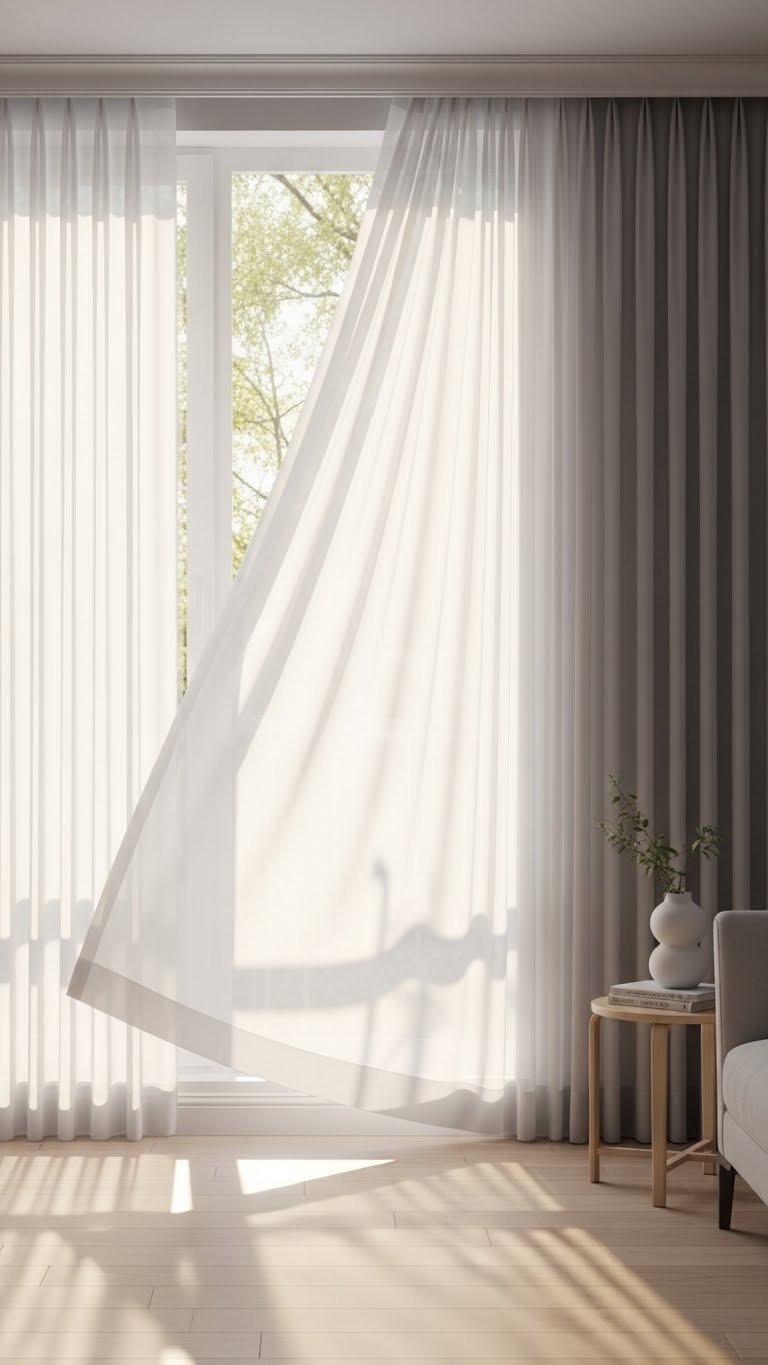
When you swap heavy drapes for sheer window treatments, you’ll instantly brighten the room while preserving privacy—light fabrics filter sunlight, soften shadows, and visually expand tight spaces.
Choose light diffusing fabrics to scatter glare, pair with UV filtering liners for protection, and hang curtains close to the ceiling to maximize height. You’ll keep views airy, control heat, and free the room visually.
Paint Walls in Soft, Reflective Neutrals
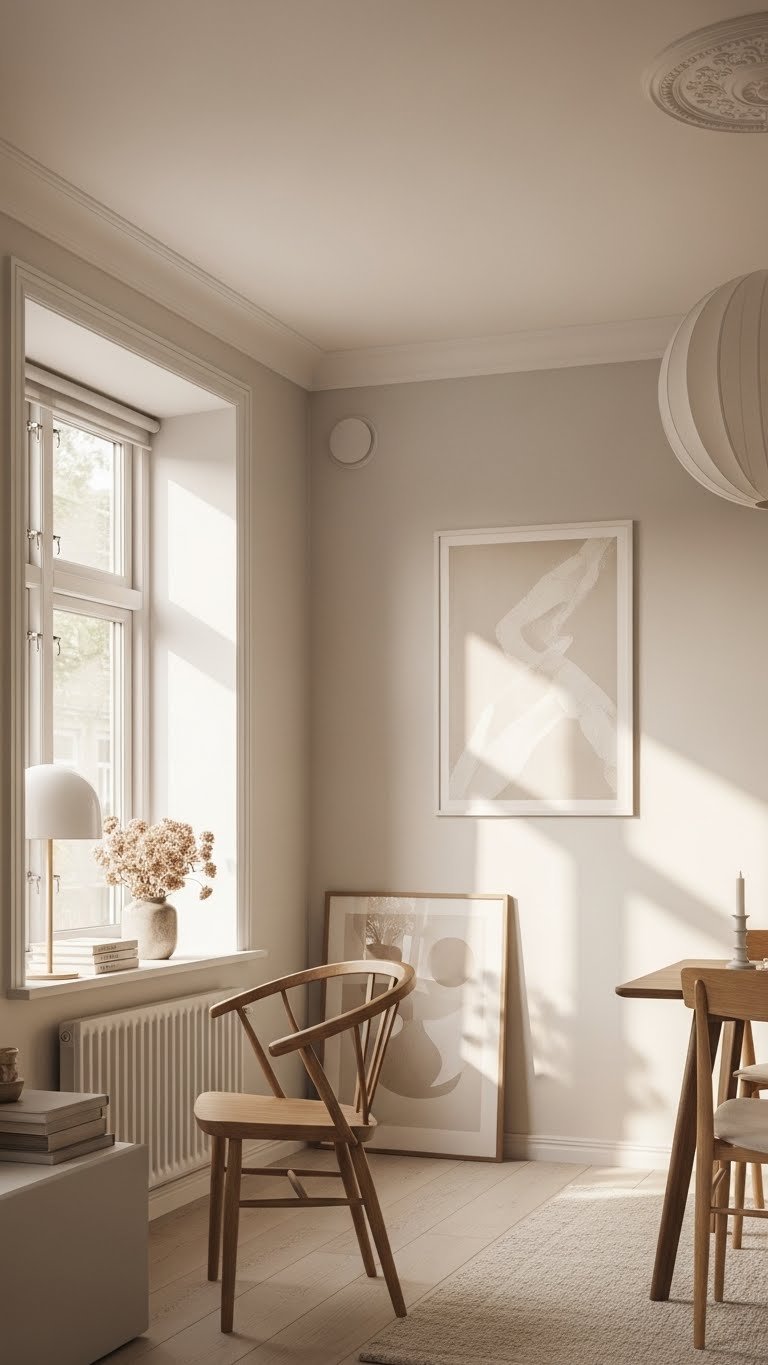
Because light bounces off color as much as it enters, picking soft, reflective neutrals will make a small room feel brighter and larger without shouting for attention. Choose warm whites with soft sheens to reflect daylight and soften shadows. Paint ceilings a touch lighter than walls, keep trim subtle, and let furniture and art provide contrast so the space feels airy, calm, and free.
Use Floor-to-Ceiling Cabinets Painted to Blend

Though tall storage can dominate a small room, painting floor-to-ceiling cabinets to blend with the walls makes them recede and visually expands the space. You’ll choose a tonal finish close to your wall color, creating seamless cabinetry that reads like built-in architecture.
Keep hardware minimal, align doors for clean sightlines, and use concealed storage to free surfaces and amplify a liberated, airy feel.
Position Mirrors Opposite Windows to Bounce Light

After you’ve made cabinetry disappear into the walls, amplify that sense of openness by positioning a mirror opposite a window to reflect daylight back into the room. You’ll boost brightness and depth with an antique mirror for character or a faux window mirror to mimic extra panes. Mount securely at eye level, angle subtly toward sun path, and keep surroundings minimal to sustain airy freedom.
Arrange Seating to Face the Brightest Window

When you orient seating toward the brightest window, you make natural light the room’s focal point and instantly lift mood, sightlines, and perceived space.
Place a corner loveseat angled to capture sunbeams, clear pathways, and keep scales light. Add subtle window centric lighting for evening harmony. You’ll feel openness and choice, with seating that invites views, reading, and relaxed freedom.
Choose Multi-Functional Furniture With Hidden Storage

Think regarding purpose: pick pieces that work doubly hard so your small space stays tidy and flexible. Choose a convertible ottoman for seating, storage and occasional table use; pick units with hidden compartments to stash blankets and gear. Mount a slim fold away desk that disappears when you crave open floor. These choices free movement, reduce clutter and keep design airy.
Opt for Floating Furniture to Free Floor Space

If you’ve already chosen multi-functional pieces with hidden storage, you can push openness further by floating furniture off the floor.
Mount cantilever consoles for sleek surface storage and install wall mounted ottomans that lift sightlines.
Floating beds, shelves, and slim media units reveal more floor, improve flow, and make cleaning easier—so your small space feels airy, mobile, and deliberately free.
Install Push-Open Cabinetry for Seamless Storage

Often the smallest hardware change makes the biggest difference: swap bulky pulls for push-open cabinetry to keep fronts flush and sightlines clean. You’ll gain a pared-back look and effortless access; soft close mechanisms prevent slams while hidden pulls maintain uninterrupted planes.
Install on kitchen bases, bathroom vanities, and storage niches so your small space breathes and you move freely without visual clutter.
Keep Window Frames Minimal or Bare

After you’ve removed visual interruptions like bulky cabinet pulls, carry that same restraint to your windows so light—and the room—feels larger. Opt for thin muntins or no grids, slim frames, and a bare sill to maximize daylight and sightlines. Keep hardware minimal, choose low-profile blinds or sheer panels, and let views and natural light create an airy, liberated atmosphere.
Anchor the Room With One Natural-Material Statement Piece
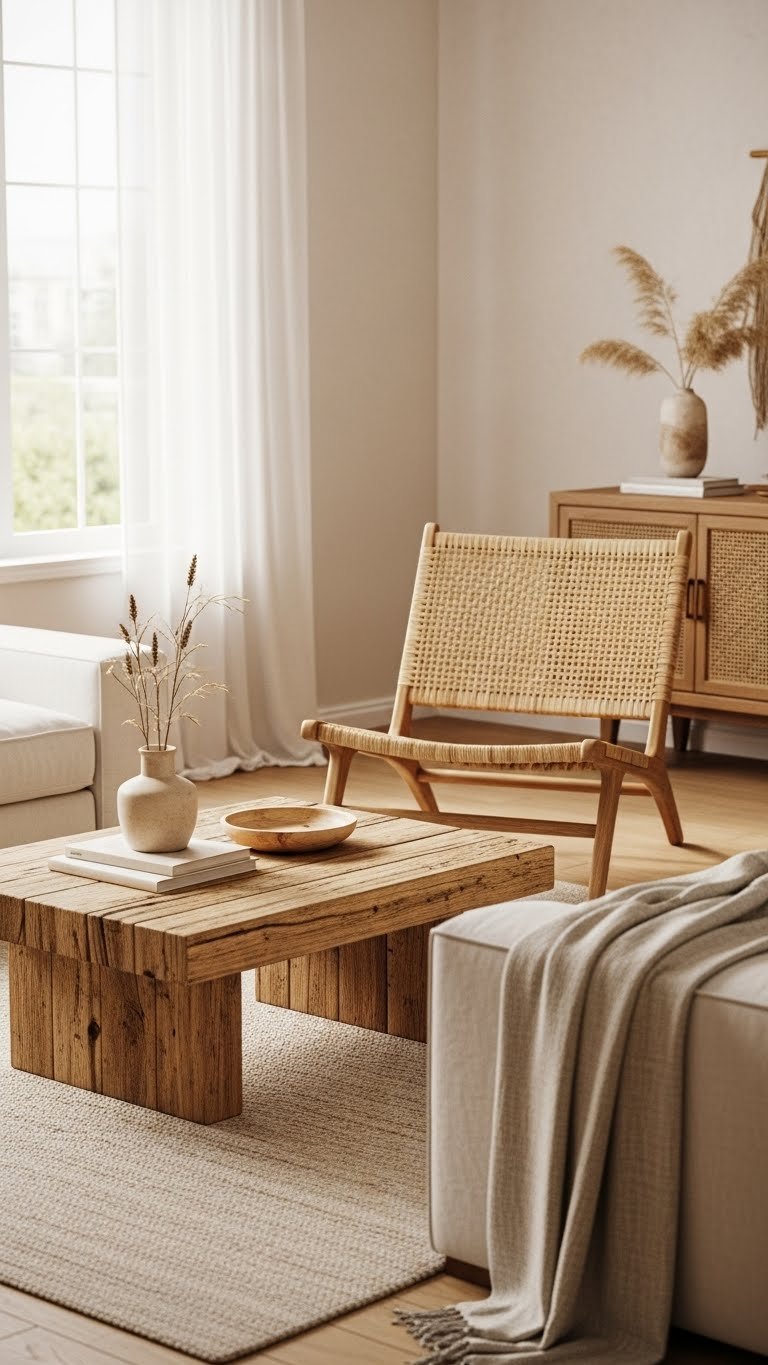
Choose one standout piece in a natural material—a reclaimed wood coffee table, a solid oak sideboard, or a woven rattan lounge chair—to anchor the room and give your small space instant warmth and focus. Pick a driftwood console or woven rattanchair as your focal point, keep surrounding lines simple, balance with light textiles, and let that single object free the layout and elevate openness.
Use Porcelain Slabs in Light Tones for an Airy Wall

That reclaimed wood or rattan focal piece sets the tone for a warm, airy room — now let the surrounding walls reinforce that lightness with porcelain slabs in pale tones. You’ll choose slabs with a matte finish and cool undertones to reflect daylight without glare. Install large-format panels for fewer seams, keep grout minimal, and let the space breathe, uncluttered and free.
Implement Vertical Storage to Maximize Capacity

Think vertically to squeeze more storage out of small rooms: mount tall shelving, wall cabinets, and slim pegboards up to the ceiling so you reclaim unused airspace and free floor area.
You’ll harness a tall pantry vibe without crowding; add rail mounted bins for tools, kitchen gear, or toiletries.
This keeps surfaces clear, movement fluid, and choice simple for living lightly.
Style Shelves With Three Curated Items Only

Although small shelves can quickly look cluttered, styling them with just three curated items keeps the display intentional and functional. Choose objects that offer color contrast and varied scale: a slim vase, a low stack of books, and a textured bowl. Arrange them with asymmetrical balance so the eye moves freely. You’ll create airy, purposeful shelves that feel liberated, not crowded.
Select Sculptural Accessories Sparingly
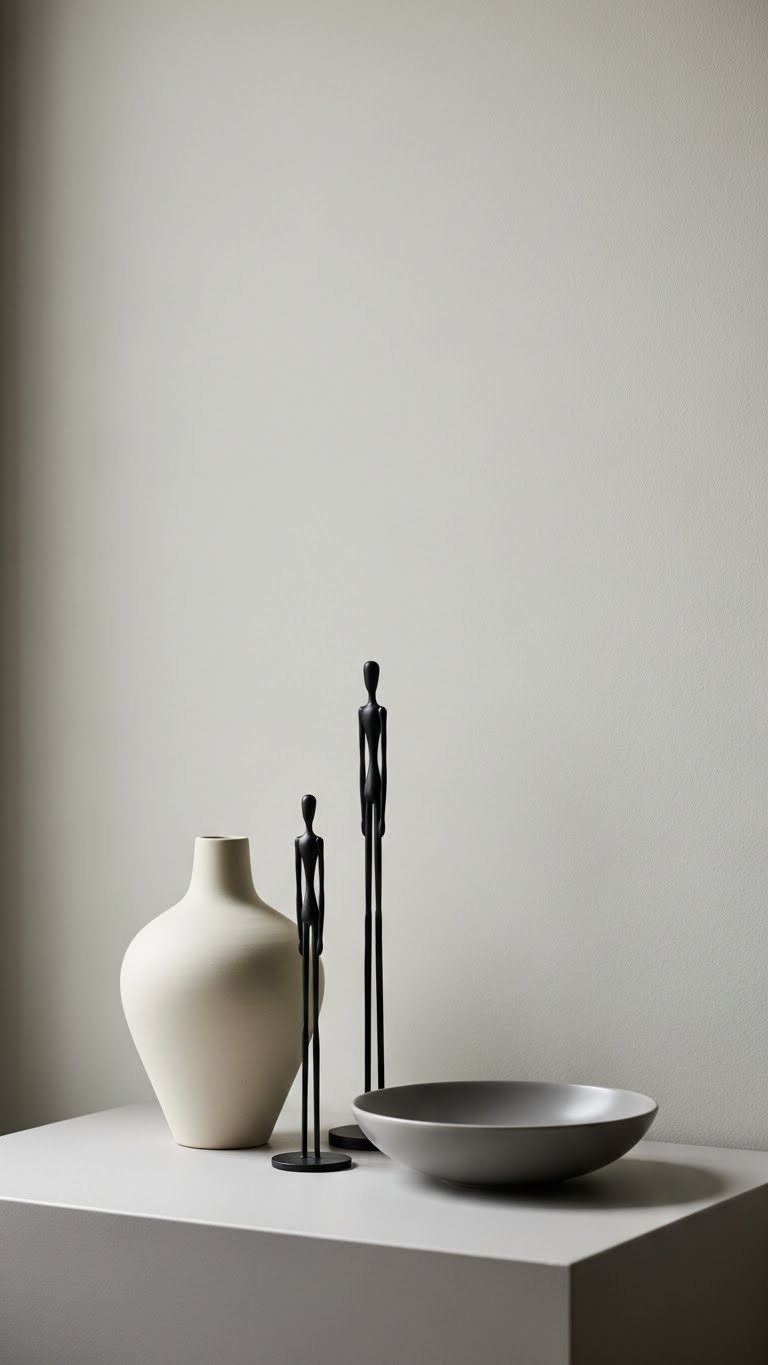
Because sculptural pieces command attention, pick them with restraint so each one reads as intentional rather than ornamental. You’ll choose forms that breathe: a matte finishes ceramic vase, a slender metal figure, a low-profile bowl. Limit quantity, favor negative space, and arrange in an asymmetrical grouping to keep sightlines clear. These choices let you enjoy artful pieces without crowding your small, freeing room.
Create Zones With Rugs and Lighting, Not Walls
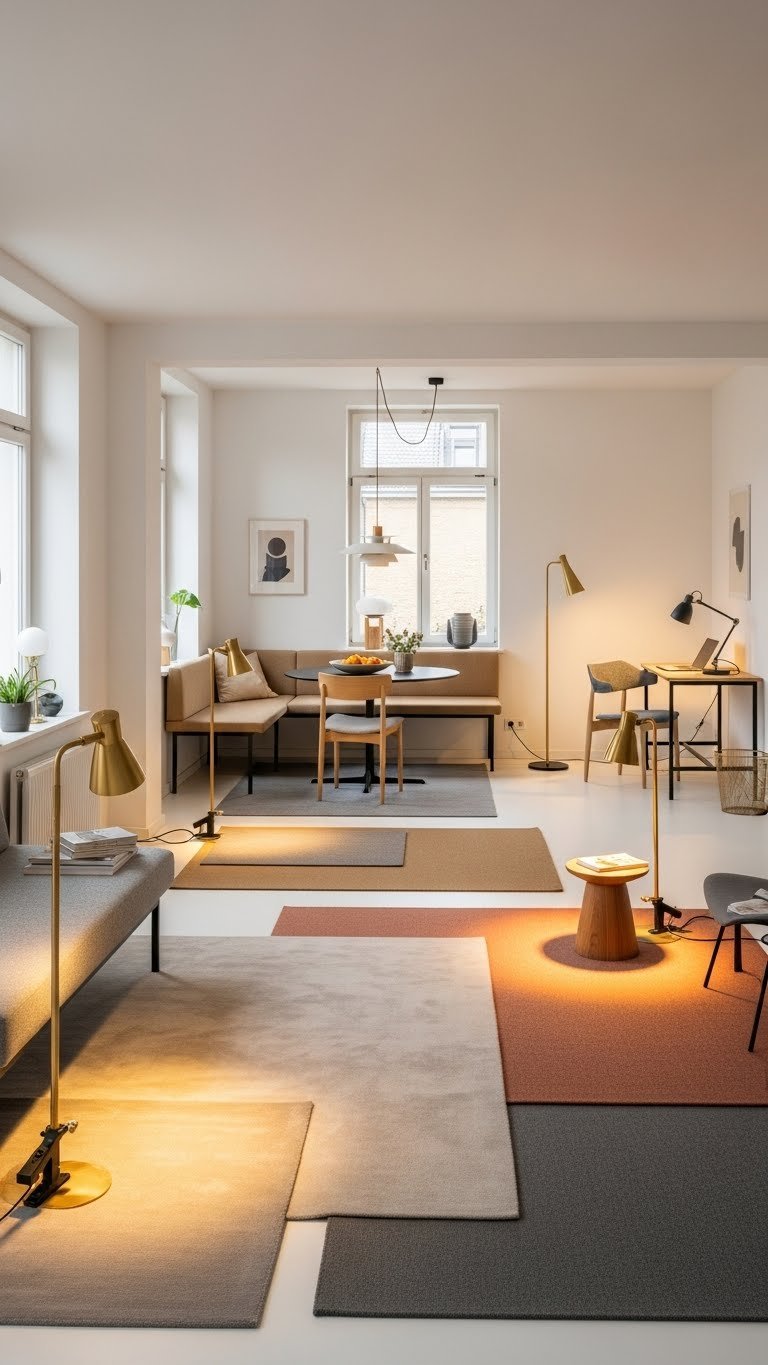
After you’ve pared down sculptural accents, use rugs and lighting to define function without closing off space. Layer rugs for subtle color zoning that anchors seating, dining, and work areas. Choose low-profile rugs to keep sightlines open. Add portable lighting—floor lamps, clamp fixtures, and task lights—to sculpt pockets of activity. You’ll stay flexible, maintain openness, and enjoy clear, purposeful zones.
Choose Glass or Lucite Tables to Reduce Visual Weight
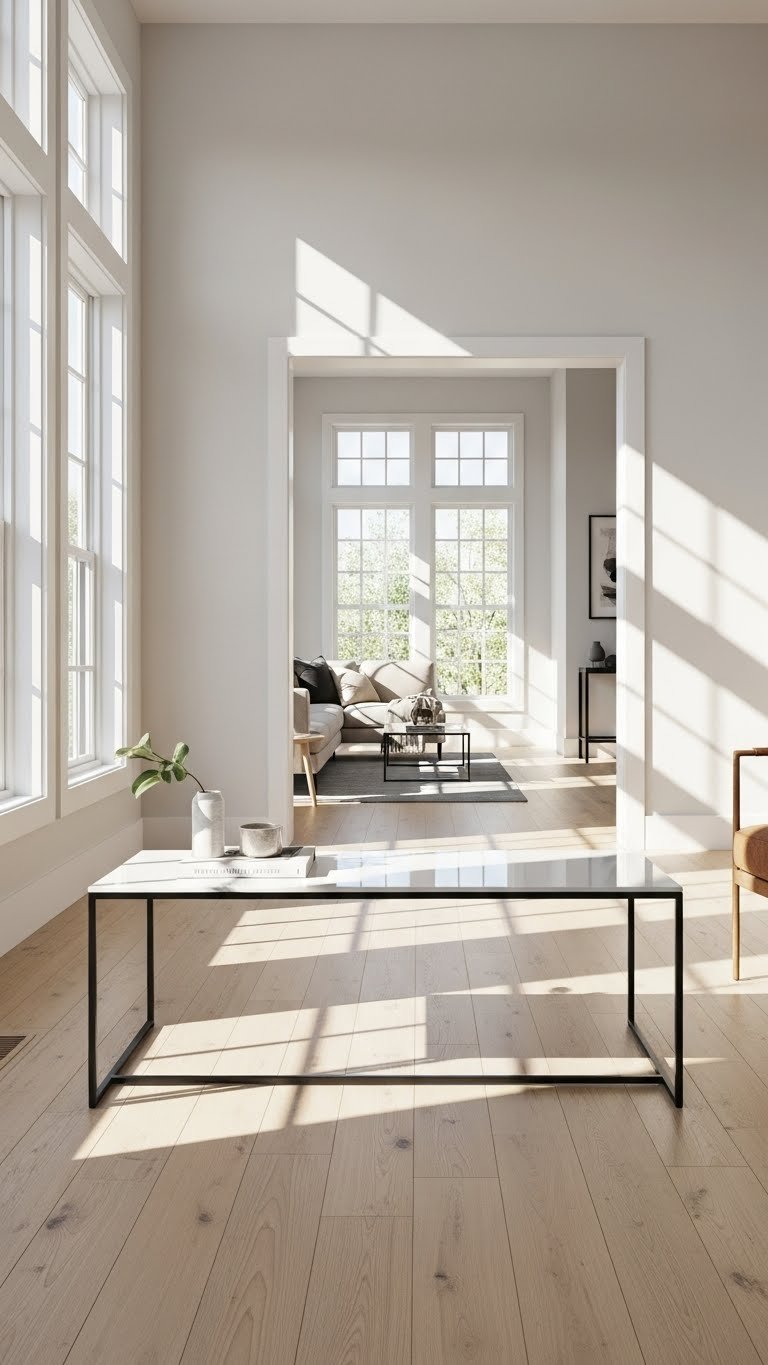
Swap in a glass or lucite table to visually open a room without changing its footprint: transparent surfaces let light and sightlines pass through, making narrow or crowded spaces feel airy and uncluttered. You’ll keep function and flow while reducing visual weight.
Choose pieces with minimal frames, use clear surfaces for display, and orient tables to maximize visual transparency and effortless movement.
Use Built-In Seating With Lift-Up Storage

Tuck storage into seating to make every square foot work harder: built-in benches with lift-up lids give you a generous hidden compartment without adding clutter or blocking traffic.
You’ll use a built in bench or a storage ottoman to stash linens, gear, or seasonal items while keeping surfaces clear. Choose simple lines, durable hardware, and easy-open lids for freedom and flow.
Opt for Pale Flooring or Large-Format Tiles

Repeating materials across zones primes the eye to read the whole room as one; pale flooring or large-format tiles take that unity further by expanding visual plane and minimizing seams. Choose light toned surfaces—pale wood or porcelain large tiles—with seamless grout to stretch sightlines. You’ll create a calm, airy base that reads uninterrupted, lets furniture breathe, and supports flexible layouts for a freer living.
Use Mirrors as Decorative Wall Statements
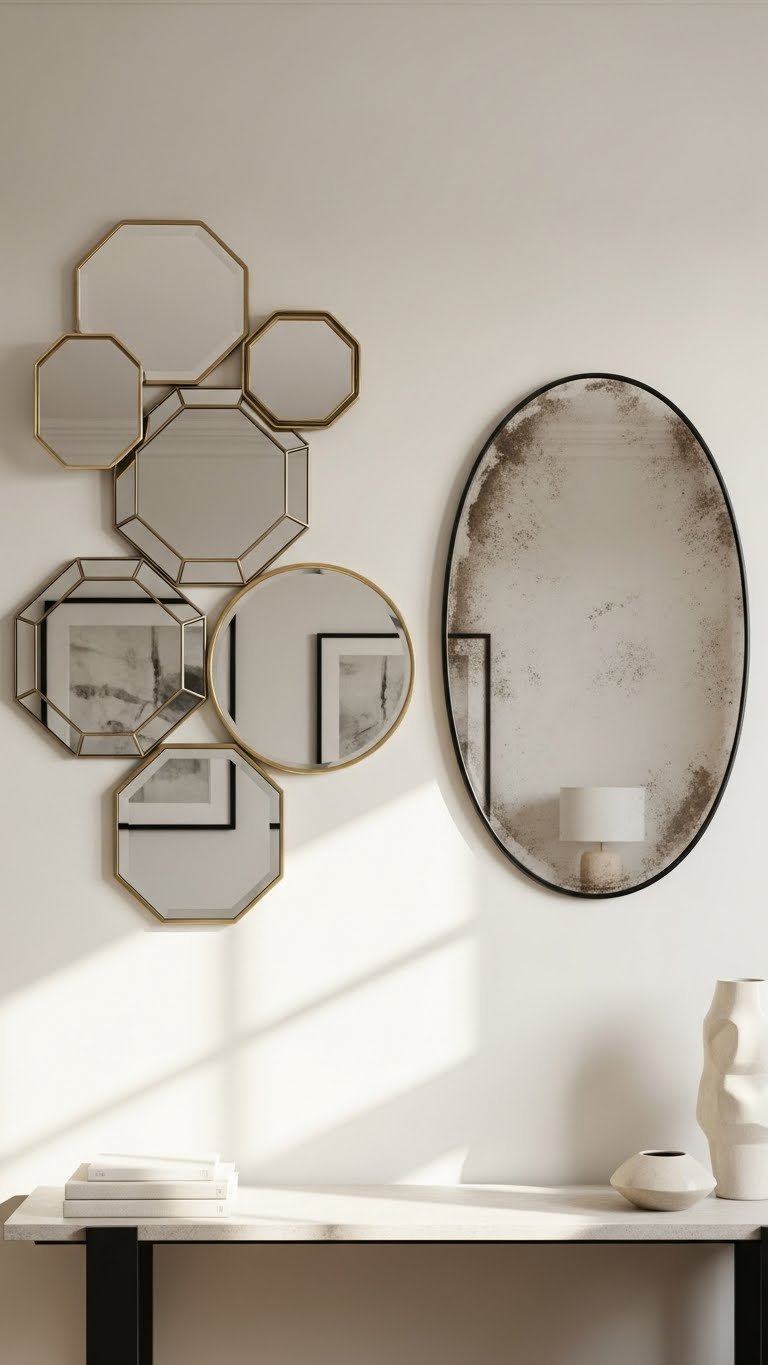
Although mirrors bounce light and depth into tight layouts, they also serve as bold design elements that define a wall and elevate style.
You’ll choose statement pieces—grouped geometric mirrorart or a single oversized oval—to create antique look reflections or crisp modern contrast.
Mount at eye level, play with frames and spacing, and let mirrors act as focal architecture that frees sightlines and clarifies scale.
Select Slimline, Scaled Furniture Proportions
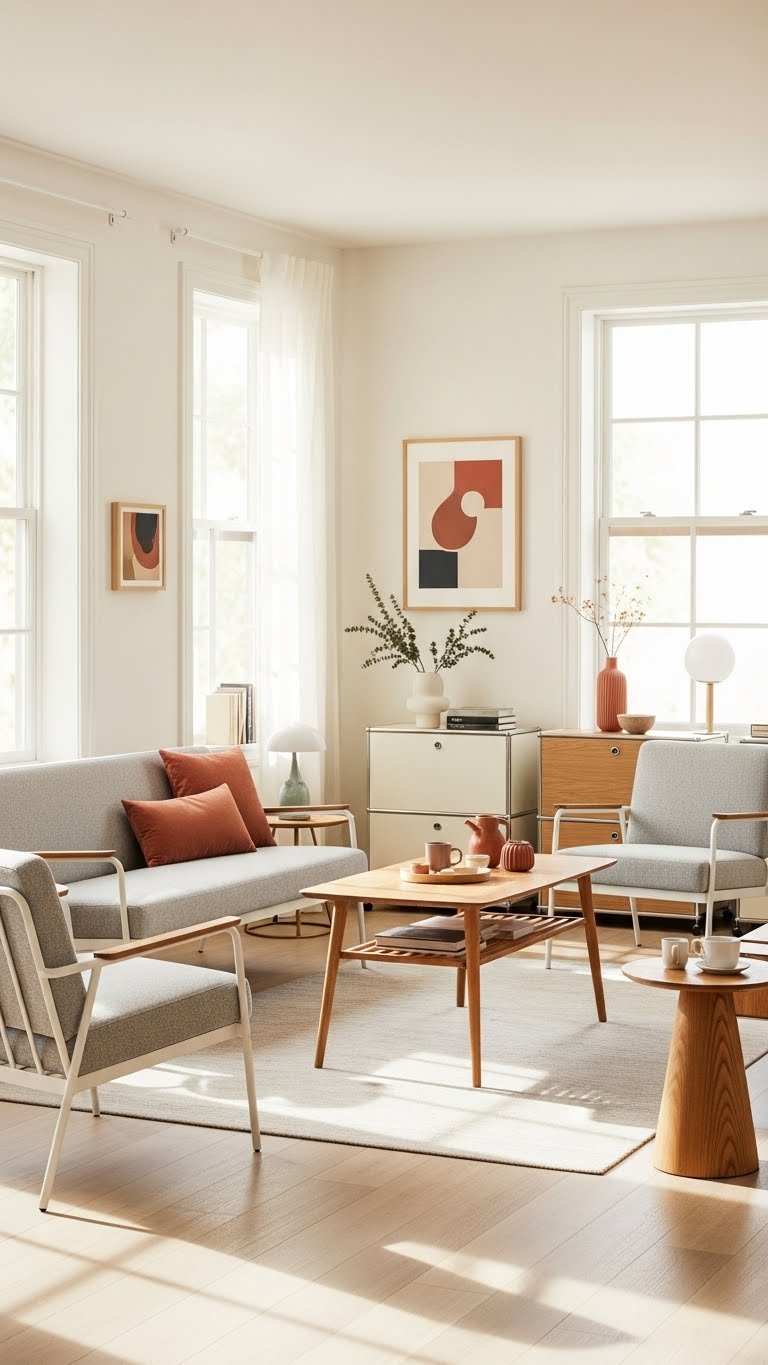
A few well-chosen pieces in slim profiles will make a small room feel spacious and intentional.
Choose narrow profile sofas to maintain sightlines and allow movement. Pair them with tapered leg tables to create an airy base that lifts the room. Scale each item to your traffic flow, prioritize multifunctional pieces, and keep proportions consistent for a liberated, calm space.
Install Floating Walnut Shelves at Eye Level

Mount floating walnut shelves at eye level to maximize storage and keep sightlines clear in a small room. You’ll showcase walnut grain while preserving openness; choose hidden brackets for a clean profile. Arrange essentials and a sculptural object to breathe. Add a slim picture light to highlight texture without clutter. This setup feels liberated, deliberate, and effortlessly organized.
Use Sheer Curtains That Match Wall Color

Once you’ve floated walnut shelves at eye level to keep sightlines open, let your window treatments follow suit by choosing sheer curtains that match the wall color.
You’ll use tonal sheers or light filtering panels to blur edges, soften light, and extend walls visually. That choice preserves an airy feel, simplifies the palette, and gives you freedom to rearrange without heavy visual anchors.
Routinely Edit Possessions to Preserve Breathing Room
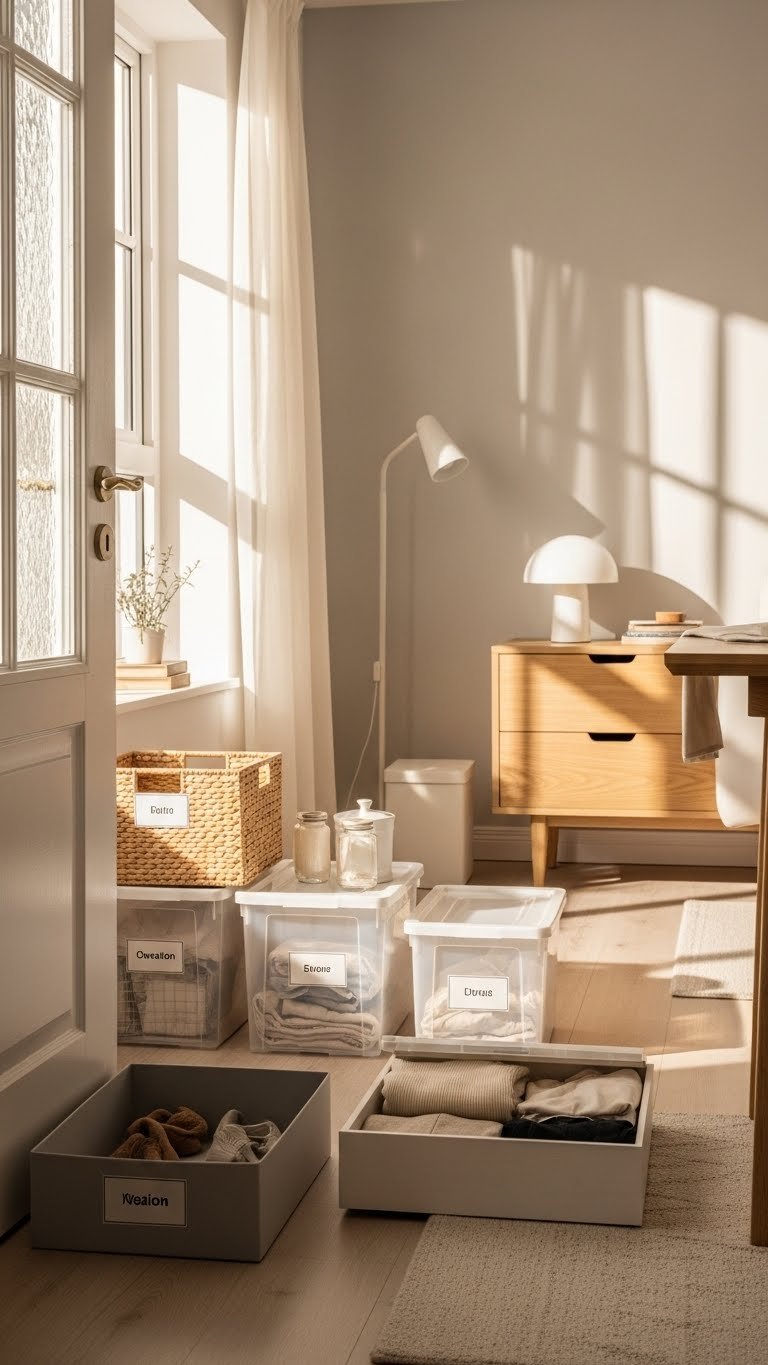
Keep trimming possessions so your small space can breathe: set a simple rhythm—weekly surface clears, monthly drawers checks, seasonal wardrobe edits—and stick to it.
You’ll see visual clarity fast. Use baskets and clear bins for quick sorting during seasonal decluttering, label zones, and keep a donation rotation box by the door.
Let each edit free floor and light; choose calm, intentional items.